Reviewed by | Dr. Clare Bertucio MD
Key Takeaways:
- Hormonal changes during perimenopause commonly lead to vaginal dryness, but the right lubricant can help restore comfort and confidence.
- Gentle, hydrating ingredients like hyaluronic acid, aloe, and propolis can support sensitive vulvar tissue.
- Choosing products designed for intimate skin health, not just lubrication, may help improve both daily comfort and intimacy.
Perimenopause is a time of transition, and with it can come changes you may not have expected, including vaginal dryness. If you’ve noticed discomfort, irritation, or pain during intimacy, you’re not alone. Many people experience these symptoms as hormone levels begin to shift.
The encouraging part is that support is available. A carefully chosen lubricant can help reduce friction, soothe sensitive tissue, and make intimacy feel more comfortable again.
Let’s walk through what causes dryness during perimenopause, what to look for in a lubricant, and how to choose something that helps you get your groove back.
Why Does Perimenopause Cause Vaginal Dryness?
Estrogen plays an important role in keeping vulvar and vaginal tissues healthy. It helps maintain moisture, elasticity, and blood flow. During perimenopause, estrogen levels fluctuate and gradually decline, which can lead to noticeable changes.
You might experience:
- Vaginal dryness or tightness
- Burning or irritation
- Discomfort during intimacy
- Increased sensitivity to friction
- A feeling of fragility in the tissue
These changes are physical, hormonal, and completely valid. Because the vulva and vagina are made of delicate mucosal tissue, they often need extra moisture and gentle care during this stage of life.
What Makes a Lube Ideal for Perimenopause?
Not all lubricants are created with sensitive, hormonally changing tissue in mind. Some products focus only on temporary slipperiness, while others are designed to support hydration and skin health more holistically.
When exploring options, it can help to look for:
Hydration and Moisture Support
Lubricants that help attract and retain moisture can make a meaningful difference in comfort, both during intimacy and afterward.
Gentle, Non-Irritating Ingredients
Hormonal shifts can increase sensitivity, so formulas without harsh preservatives, artificial fragrances, or unnecessary additives tend to feel more supportive.
pH-Friendly Formulations
The vaginal microbiome thrives within a specific pH range. Products that respect this balance can help reduce the risk of irritation.
Tissue-Nourishing Benefits
Some ingredients do more than reduce friction. They help support the skin barrier and overall tissue wellness, which can be especially helpful during perimenopause.
Ingredients To Look for in Lubes for Vaginal Dryness
When it comes to choosing the best possible lubricant for perimenopause, understanding ingredients can empower you to choose what feels best for your body.
Hyaluronic Acid
Hyaluronic acid is well known for its ability to hold water and support hydration. It can help tissues feel more supple and comfortable.
Aloe Vera
Aloe offers soothing hydration and can calm irritated or sensitive skin, making it a common choice for intimate formulations.
Honey and Propolis
Medical-grade honey and propolis provide unique skin-supportive benefits. These ingredients help nourish tissue, support moisture balance, and protect the skin barrier while remaining gentle.
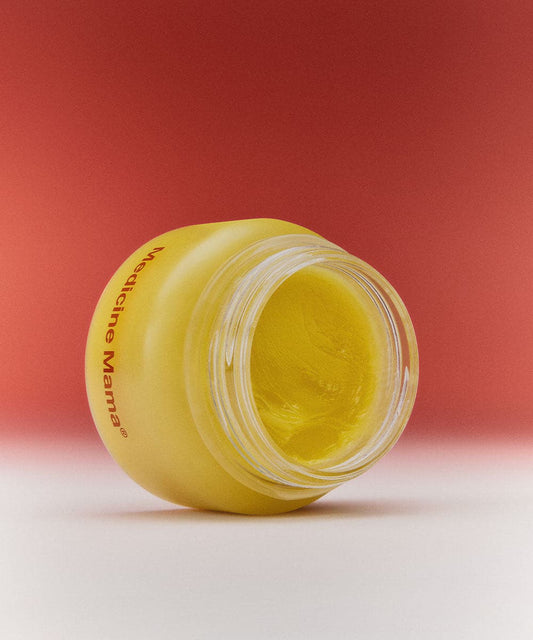
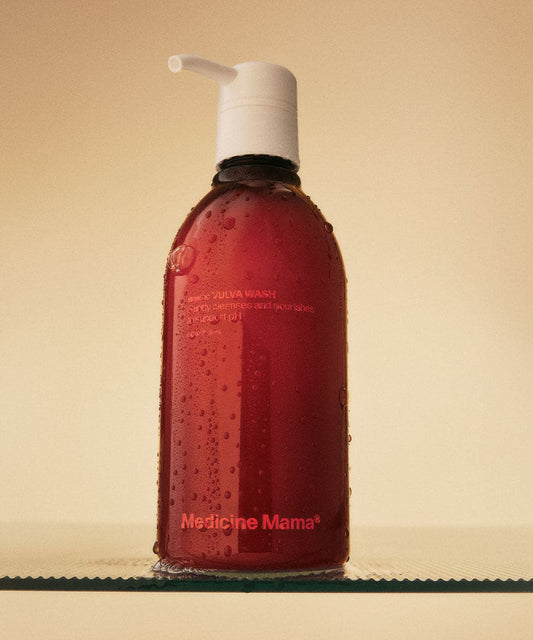
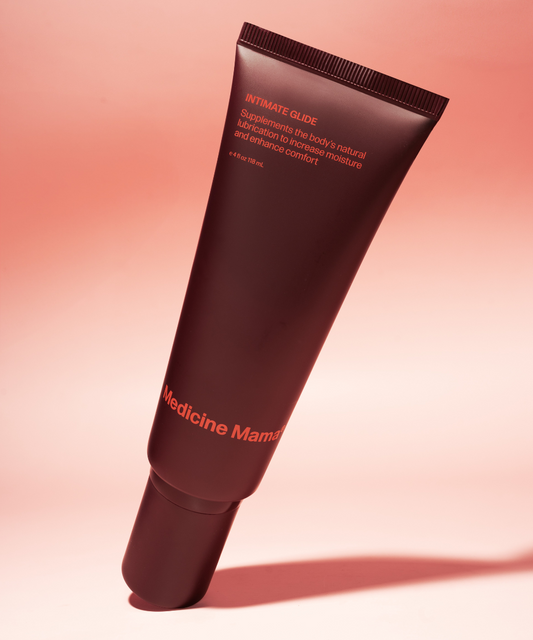
Products formulated with these ingredients, such as those from Medicine Mama, are designed with both comfort and long-term vulvar wellness in mind.
Water-Based vs. Oil-Based Lubricants: Which Is Better?
Both types can be helpful, and the right choice often comes down to your preferences and comfort level.
|
Feature |
Water-Based Lubes |
Oil-Based Lubes |
|
Condom Compatibility |
Compatible with condoms (including latex) |
Not compatible with latex condoms |
|
Toy Compatibility |
Safe for most toys |
May not be suitable for certain materials |
|
Texture |
Lightweight, closer to natural lubrication |
Thicker, more cushioning |
|
Longevity |
May absorb or dry more quickly |
Longer-lasting moisture |
|
Reapplication |
May require reapplication |
Typically requires less reapplication |
|
Cleanup |
Easy to wash off with water |
Can feel heavier and require more thorough cleanup |
|
Best For |
Everyday use, versatility |
Extended comfort, sensitive tissue support |
If dryness feels more persistent or severe, oil-based or hybrid formulas sometimes provide extra comfort.
How To Choose the Right Lube for You
Your experience during perimenopause is personal, and what works best for one person may not work for another.
As you explore options, consider:
- Your level of dryness or discomfort
- Skin sensitivity
- How often you plan to use it
- Ingredient preferences
- Condom or toy compatibility needs
It can also take some trial and adjustment to find the right fit, and that’s completely normal.
Some people benefit from pairing lubricants with daily vulva moisturizers to help maintain comfort between intimate moments.
Frequently Asked Questions
What type of lubricant is best for vaginal dryness during perimenopause?
Many people find the most relief with gentle, hydrating formulas that contain ingredients like hyaluronic acid, aloe, honey, or propolis. The best choice depends on your individual comfort and needs.
Are natural lubricants better during perimenopause?
They can be, especially when they focus on skin-supportive ingredients and avoid irritants. However, effectiveness depends more on formulation quality than whether something is labeled “natural.” It’s also important to remember that essential oils and botanicals can be harmful for sensitive skin, so “natural” doesn’t always mean “better.”
Can lubricants help with pain during intimacy?
Yes. By reducing friction and supporting moisture, lubricants can help decrease discomfort and protect sensitive tissue.
Should I use lubricant even if I’m not sexually active?
You can! Some people use lubricants or moisturizers simply to improve daily comfort if dryness causes irritation during regular activities.
When should I talk to a health care professional?
If dryness leads to ongoing pain, bleeding, or significant discomfort, speaking with a qualified professional can help you explore additional options and support.
Conclusion
Perimenopause can bring unexpected changes, but discomfort and dryness don’t have to define this stage of life. With the right lubricant, one that focuses on hydration, gentle ingredients, and tissue support, many people find meaningful relief and renewed comfort.
If you’re looking for nurturing options designed specifically for intimate skin, exploring the Medicine Mama collection can be a positive next step. Thoughtful ingredients and vulva-focused care can help you feel more comfortable, confident, and connected to your body during this transition.
Sources:
Vaginal Atrophy: Causes, Symptoms, Diagnosis & Treatment | Cleveland Clinic
Perimenopause: From Research to Practice | Journal of Women’s Health