Reviewed by | Dr. Clare Bertucio MD
Key Takeaways
-
Vaginal dryness (the thinning or irritation of vaginal tissues that causes discomfort, itching, or pain) affects up to 57% of postmenopausal women and is most often linked to declining estrogen levels.
-
Hormone-free options like hyaluronic acid, aloe vera, and organic vulva moisturizers can meaningfully improve dryness without the need for prescription estrogen therapy.
-
A consistent daily routine using fragrance-free, pH-balanced products, paired with habits like hydration, pelvic floor exercises, and stress management, goes a long way in supporting lasting comfort.
We'll spend 45 minutes on a skincare routine, debate serums in group chats, and have strong opinions about which SPF is worth the money. But the second something feels off between our legs? Silence. Midnight Googling. Maybe a whispered question to a friend if we're feeling brave.
Vaginal dryness doesn't get talked about the way it should. And that's frustrating, because it's incredibly common.
At Medicine Mama , we think you shouldn't have to guess your way through something this personal. Let's talk about what's actually going on and what can help you feel like yourself again.
What Causes Vaginal Dryness?
A lot of what's happening comes down to one hormone: estrogen. It's the one responsible for keeping vaginal tissues thick, elastic, and naturally lubricated.
When those levels start to shift and decline , the tissues thin out, lose moisture, and become more easily irritated. Doctors now call this collection of symptoms "genitourinary syndrome of menopause" (GSM), and roughly half of all postmenopausal women experience it.
This can kick in during perimenopause, ramp up after menopause, show up while breastfeeding, or sneak in quietly as a side effect of certain birth control pills, antihistamines, and antidepressants.
But hormones aren't always the full picture. Stress, dehydration, and autoimmune conditions can all contribute.
And sometimes, the culprit is sitting right in your shower. Fragranced soaps, scented washes, and products packed with synthetic ingredients can strip the delicate vulvar and vaginal skin of its natural moisture, kicking off a frustrating cycle that's hard to break.
One thing to keep in mind: unlike hot flashes, which tend to ease up with time, vaginal dryness often gets progressively worse without some kind of intervention. That's not meant to worry you. It's just a good reason to start paying attention.
What Are Hormone-Free Remedies for Vulvar Dryness?
Not everyone wants to go the estrogen route, and that's completely fair. You have options that are worth knowing about.
Hyaluronic Acid
If you already use this in your skincare routine, you know how good it is at holding onto moisture. It works the same way here. Research has shown that hyaluronic acid suppositories can support hydration and comfort in intimate tissue, with results comparable to vaginal estrogen in some studies.
Aloe Vera
Aloe shows up a lot in this conversation for a reason. It has a long track record for calming sensitive skin, and some research has found it can support vaginal tissue comfort in menopausal women . If you're considering it, look for a simple, fragrance-free formula without extra additives.
Vaginal Moisturizers and Lubricants
These get lumped together, but they do different jobs. Vaginal moisturizers are for ongoing hydration, something you use regularly to support comfort. Vaginal lubricants are for in-the-moment support, especially during sex. Both can be helpful, especially when they're gentle and fragrance-free.
Vitamin E
Vitamin E is often used to support dry, delicate skin. Some women find it helpful for soothing irritation, though it's always smart to test a small amount first to see how your skin responds.
One thing we always say: "natural" doesn't automatically mean it's right for the vulva. This is sensitive skin, and it deserves products that are thoughtfully formulated and tested, not just ones with trending ingredients.
How Does Medicine Mama Support Natural Vaginal Moisture?
If you’ve ever dealt with intimate dryness, you know it’s not always straightforward, and you’re definitely not alone. One of the most important (and often overlooked) things to understand is that vaginal dryness and vulvar dryness are different, and they deserve different kinds of care.
Vaginal Dryness
For internal vaginal dryness, we created options that are designed to support moisture gently and effectively. Our VMAGIC® Vaginal Moisturizers are hormone-free suppositories formulated with hyaluronic acid, which is known for helping the body retain moisture. They’re designed to support hydration and comfort from within, especially during times when your body might need a little extra care.
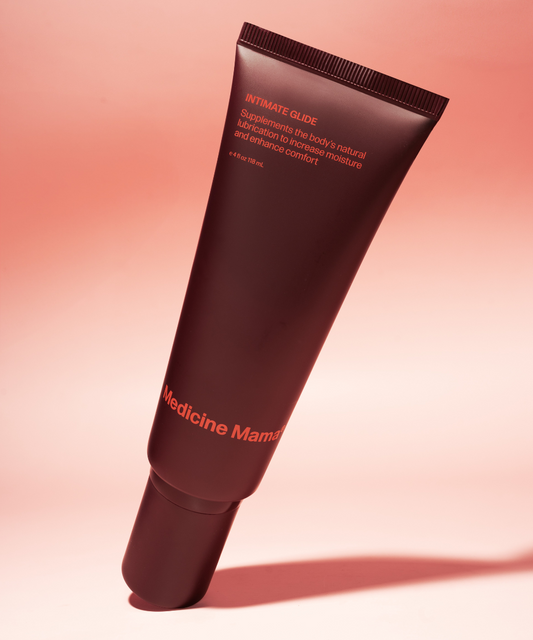
We also offer Intimate Glide, a lightweight, pH-friendly lubricant moisturizer made with organic, body-safe ingredients. It’s thoughtfully formulated without added fragrance or unnecessary irritants, making it a great option if you tend to be sensitive. Whether you’re looking for everyday comfort or support during intimacy, it’s there to help you feel more at ease in your body.
At the same time, external dryness (affecting the vulva) can show up differently and benefit from its own kind of support.
Vulva Dryness
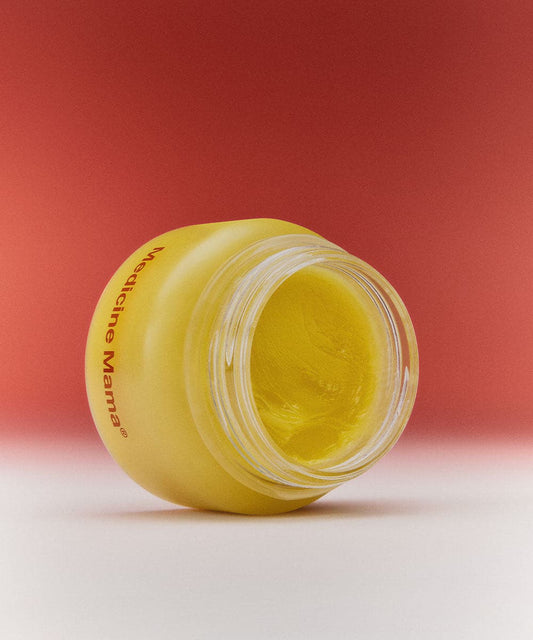
Our VMAGIC® Vulva Balm is designed specifically for that delicate external skin. Made with nourishing ingredients like organic olive oil, avocado oil, sea buckthorn oil, beeswax, and our signature honey and propolis blend, it helps support the skin barrier and soothe dryness.
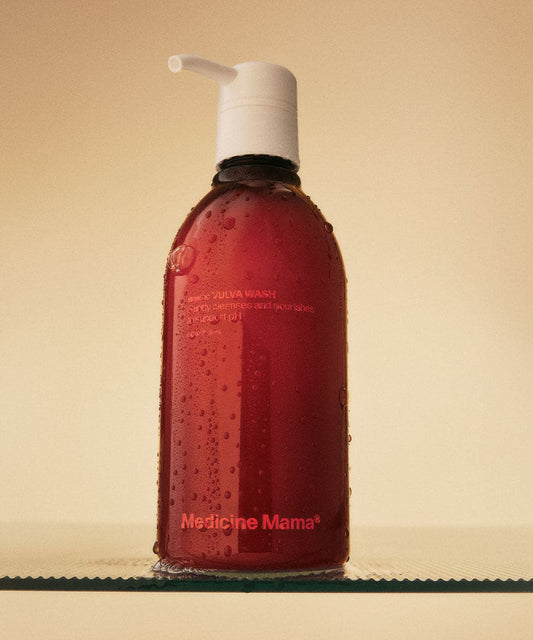
And when it comes to cleansing, gentle really matters. Our VMAGIC® Vulva Wash is pH-balanced and fragrance-free, designed with the understanding that while the vagina is self-cleaning, the vulva is not. Using a cleanser made specifically for this area can help you feel fresh without disrupting your natural balance.
At the heart of everything we make is a simple idea: you deserve care that feels safe, supportive, and thoughtfully made. That’s why every product in the VMAGIC® line is hormone-free, fragrance-free, and clinically tested for gentleness, so you can care for your intimate health with confidence and peace of mind.
What Lifestyle Changes Help Prevent and Relieve Vaginal Dryness?
Products are only part of the equation. The way you take care of yourself day to day plays a huge role in how comfortable you feel. Small shifts can add up to a real difference over time.
Drink More Water (Yes, We Know, but Still)
If you've had three coffees and half a water today, this might be part of the problem. Your body pulls from what it has, and when you're even a little dehydrated, dryness can show up in places you don't expect.
Sitting All Day? Your Body Feels That Too
Long stretches at your desk, in the car, or on the couch can affect circulation. And circulation plays a role in how supported your vaginal and vulvar tissue feels. You don't need a full workout. Even getting up, stretching, or walking for a few minutes here and there helps more than you think.
Let's Talk About Sex for a Second
If intimacy has started to feel uncomfortable, a lot of women just avoid it. Totally understandable, but it can actually make things feel worse over time. Using a moisturizer regularly and a lubricant when you need it can help you stay comfortable without overthinking it.
Frequently Asked Questions
What are the best natural remedies for vaginal dryness?
Hyaluronic acid, aloe vera gel, vitamin E, and hormone-free vaginal moisturizers formulated for sensitive skin all have science behind them. Consistency with any of these tends to matter more than which specific one you choose.
Is vaginal dryness a sign of menopause?
It's one of the most common signs, driven by falling estrogen levels. That said, it can also show up during breastfeeding, from certain medications, or because of stress, so it's not exclusively a menopause thing.
When should I see a doctor for vaginal dryness?
If symptoms persist or worsen after about two months of consistent at-home care, or if you're dealing with pain, bleeding, or recurrent infections, see your healthcare provider.
Sources:
Vaginal Dryness: Causes, Symptoms & Treatment | Cleveland Clinic
Genitourinary Syndrome of Menopause: Symptoms & Causes | Mayo Clinic
Hyaluronic Acid in Postmenopause Vaginal Atrophy: A Systematic Review | PubMed
Pelvic Floor Muscle (Kegel) Exercises for Females | Memorial Sloan Kettering Cancer Center