Reviewed by | Dr. Clare Bertucio MD
Key Takeaways:
- Perimenopause triggers a decline in estrogen, which reduces your skin's natural moisture, collagen, and oil production, leaving it drier, thinner, and more prone to itching.
- Somewhere between 50% and 64% of women report dry or itchy skin during this transition, so if you're dealing with it, you are very much not alone.
- Gentle, hormone-free care (fragrance-free cleansers, pH-balanced moisturizers, and a few simple lifestyle shifts) can make a real difference without adding hormones into the mix.
If your skin has started itching in places it never used to, or you're suddenly reacting to products you've used for years, you're not losing it. Something really is different. And there's a good chance perimenopause is behind it.
This isn't one of those things people warn you about. Nobody sits you down and says, "Hey, heads up, your skin might start feeling like it belongs to someone else." But it happens to a lot of us. Studies suggest that 50% to 64% of women experience dry or itchy skin during this stage, and for some, it's one of the first noticeable changes.
At Medicine Mama , we're here to help you understand what's going on, what's normal, and what you can actually do about it.
What Is Perimenopause and How Does It Affect the Skin?
Perimenopause is the transitional phase leading up to menopause. It usually lasts between two and eight years and is defined by hormonal fluctuations, especially in estrogen and progesterone. Your periods might become irregular, your sleep might change, and your body might start responding differently to things that never used to bother you.
One of those things? Your skin.
Estrogen does a lot more than regulate your cycle. It helps your body produce collagen, retain moisture, and maintain the oils that keep skin hydrated and protected. When estrogen starts to decline, all of that slows down. Skin gets drier, thinner, more reactive, and for a lot of women, itchier.
It doesn’t happen overnight. But over time, you might notice your skin feels tighter, more sensitive, or just uncomfortable in a way it didn't before. That's your skin responding to a real shift in what it's getting from the inside.
Why Does Perimenopause Cause Itching?
As estrogen drops, your skin loses several of the things that keep it comfortable:
- Ceramides, which are natural fats that help your skin hold onto moisture and protect against water loss.
- Hyaluronic acid, which your body naturally produces to keep tissues hydrated and plump.
- Sebum, the oil your skin makes to stay soft and to shield itself from irritants.
- Collagen, the protein that gives your skin structure and thickness.
When all of these decline at once, the barrier that usually keeps irritants out starts to weaken . That's when the itching shows up. It can happen on your face, neck, arms, legs, and yes, the vulva. Some women even notice it in their ears. It's one of those symptoms that feels random until you understand the connection.
One thing worth flagging: hormones aren't always the only factor. Thyroid issues, iron deficiency, and certain skin conditions can also cause itching. If something feels out of proportion or isn't improving, it's worth having your provider run a few tests to rule out other causes.
How To Manage Itching During Perimenopause Naturally
The good news is you don't have to just ride this out. There's a lot you can do to support your skin through this transition without adding hormones into the equation.
Start With How You Bathe
Hot showers feel incredible, but they strip your skin of the little oil it's still producing. Switching to warm water and keeping showers shorter can make a noticeable difference. And here's the move that matters most: apply moisturizer right after you pat dry, while your skin is still slightly damp. That's when it absorbs best and locks in the most hydration.
Choose Products That Aren't Working Against You
This is where a lot of women unknowingly make things worse with fragranced soaps, scented body washes, and heavily perfumed lotions. They can all irritate already-compromised skin.
The vulva is especially sensitive to this. If a product has fragrance in it, it probably doesn't belong on your most delicate skin.
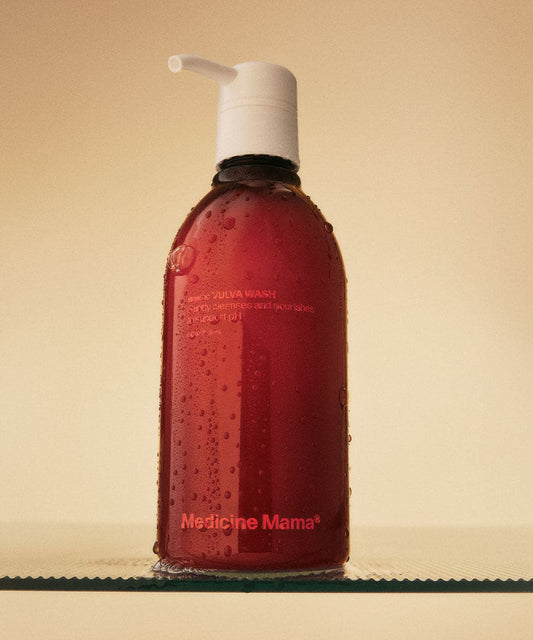
Our VMAGIC® Vulva Wash is pH-balanced, fragrance-free, and designed specifically for the vulva. It cleanses without stripping away the moisture your skin is already struggling to hold onto.
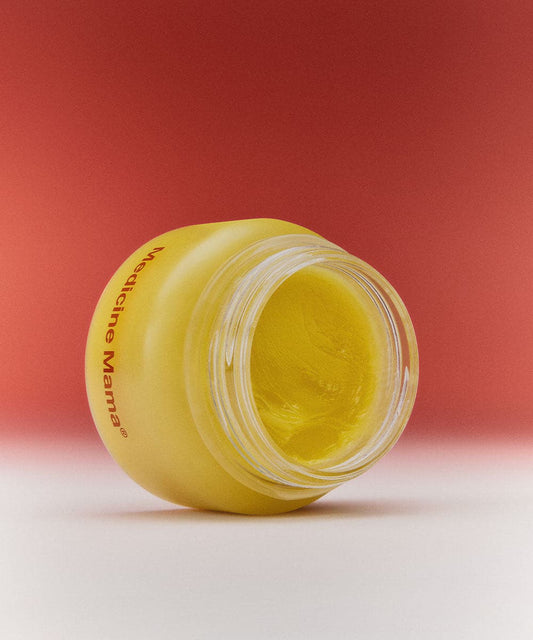
And our VMAGIC® Vulva Balm , made with organic olive oil, avocado oil, sea buckthorn oil, beeswax, and our proprietary honey and propolis blend, delivers soothing hydration right where you need it most. In a clinical study, 79% of users found immediate relief.
Build a Simple, Consistent Routine
You don't need a 12-step regimen. What you need is consistency with a few things that actually work.
- A gentle, fragrance-free cleanser for your body and your vulva.
- A rich moisturizer you apply daily (look for ceramides, hyaluronic acid, or glycerin on the label).
- Breathable cotton underwear that doesn't trap heat or moisture.
- Plenty of water. Hydration from the inside shows up on the outside.
When To See a Healthcare Provider for Itching
Most perimenopausal itching responds well to consistent, gentle care. But there are times when it's smart to bring in professional help.
Talk to your provider if:
- The itching is severe, sudden, widespread, or disrupting your sleep.
- You're noticing new rashes, broken skin, or bleeding from scratching.
- You're experiencing other systemic symptoms like unexplained weight loss, fatigue, or swollen lymph nodes.
- Things aren't improving despite consistent lifestyle changes and good skincare habits.
Your provider might check your thyroid function, iron levels, or liver and kidney health to make sure nothing else is going on. And if skin changes feel significant, a board-certified dermatologist can take a closer look and help you build a plan that fits.
This is a transition, not a permanent state. But your skin deserves attention during it, and you deserve to feel comfortable in your own body.
Frequently Asked Questions
What causes itchy skin during perimenopause?
Fluctuating estrogen levels reduce your skin's natural moisture, oil production, and collagen, making it drier and more prone to itching. It's one of the most common skin-related symptoms of this transition.
Are there hormone-free ways to relieve perimenopausal itching?
Yes. Gentle, fragrance-free cleansers, pH-balanced moisturizers, and consistent hydration can all help without introducing hormones. Avoiding hot showers and irritating products makes a big difference, too.
How common is itching during perimenopause?
Very common. Studies suggest that 50% to 64% of women experience dry or itchy skin as a symptom of perimenopause.
Sources:
Unusual Symptoms of Perimenopause & Low Estrogen | Cleveland Clinic
How Menopause Affects Your Skin and Hair | Cleveland Clinic
Caring for Your Skin in Menopause | American Academy of Dermatology