Reviewed by | Dr. Clare Bertucio MD
Key Takeaways
- Every vagina has a natural scent, and slight variations throughout your cycle, after sex, or during hormonal shifts are completely normal.
- Persistent or strong odors, especially when paired with unusual discharge, itching, or irritation, can signal an imbalance, like bacterial vaginosis or an infection worth getting checked out.
- The best thing you can do is leave your vagina alone (it's self-cleaning) and care for your vulva with gentle, fragrance-free products that won't disrupt your natural pH.
Let’s get something out of the way: your vagina has a smell. And that’s a good thing. It means your body is doing exactly what it’s supposed to do.
We live in a world that’s constantly trying to convince us our bodies should smell like nothing — or worse, like a tropical breeze. But no body is odorless. And trying to “fix” scents that are completely human can actually throw things off more than it helps.
At Medicine Mama , we’re a lot more interested in helping you feel confident in what’s normal, instead of questioning every little change. Because most of the time, your body is just doing its job.
And when something does feel different? That’s worth understanding, not masking.
Understanding Normal Vaginal Odor
Your vagina has its own ecosystem. Lactobacilli (the good bacteria) keep things slightly acidic, usually around a pH of 3.8 to 4.5 , which helps protect against the overgrowth of harmful organisms. That acidity is also what gives the vagina its naturally mild, slightly tangy or musky scent. Totally normal.
And that scent can shift. You might notice a coppery or metallic quality around your period (that's the iron in blood). Things might smell a little different after sex, since semen has a higher pH and temporarily changes the balance. Hormonal shifts during pregnancy, breastfeeding, or menopause can also influence your scent.
None of this means something is wrong. It means your body is responsive and alive.
The thing to watch for isn't a mild variation. It's a strong, persistent, or unfamiliar odor that doesn't go away on its own, especially when it shows up alongside other symptoms.
Common Causes of Abnormal Vaginal Odor
When a smell becomes noticeably different, stronger, or just doesn't feel right, there's usually a reason.
Here are some of the most common ones.
Bacterial Vaginosis (BV)
This is the most common vaginal infection in women ages 15 to 44. It happens when the balance of bacteria in the vagina gets disrupted, and harmful bacteria outnumber the helpful ones.
The hallmark? A distinct fishy odor, often stronger after sex, along with a thin grayish-white discharge. BV isn't something to power through on your own. It typically needs a healthcare provider's input and often a round of prescribed treatment.
Yeast Infections
An overgrowth of Candida (a type of fungus that normally lives in the vagina in small amounts) can lead to a thick, cottage cheese-like discharge and a mild yeasty or bread-like smell. It usually comes with itching and irritation, too.
Over-the-counter options exist, but if it's your first time experiencing this or the symptoms keep coming back, checking in with your provider is the move.
Sexually Transmitted Infections (STIs)
Trichomoniasis, in particular, can cause a fishy or musty odor with yellowish-green discharge. Chlamydia can also affect discharge. These aren't something you can diagnose at home , and they overlap with other conditions enough that testing is the only reliable way to know what you're dealing with.
A Forgotten Tampon
It sounds unlikely until it happens to you, and it happens more often than you'd think. A tampon left in too long creates a breeding ground for bacteria and can produce a strong, unmistakable odor. If you suspect this might be the case, your provider can safely remove it and make sure everything's okay.
What Disrupts Your Vaginal pH and Flora?
Your vagina works hard to maintain that slightly acidic environment. But a lot of everyday things can throw it off.
Douching is one of the biggest offenders. It washes away the protective bacteria your vagina relies on and has been linked to a higher risk of BV, STIs, and other complications. Every major women's health organization, including ACOG and the CDC, recommends against it.
Scented hygiene products are another common culprit. That "fresh" scented wash or those fragranced wipes? They can irritate the vulva and disrupt your vaginal pH, sometimes creating the very odor you were trying to avoid.
The pattern is pretty consistent: when lactobacilli get crowded out, pH rises, opening the door for odor-causing bacteria to take over.
When Should You See a Healthcare Provider?
Most mild shifts in scent are nothing to worry about. But some situations call for professional support.
If you're noticing a strong, persistent, or suddenly foul odor that doesn't resolve on its own, that's worth a visit. Same goes for itching, burning, unusual discharge (especially if it's gray, green, yellow, or has a cottage cheese texture), or pain or bleeding between cycles.
Here's the thing: BV, yeast infections, and STIs can all have overlapping symptoms , and self-diagnosis is unreliable. A clinical exam and proper testing are the best way to figure out what's actually going on. If something has been lingering for more than a few days or keeps coming back, don't wait it out.
Effective Products for Supporting Vaginal and Vulvar Health
When it comes to managing odor, the goal isn't to mask anything. It's to support your body's natural balance so it can do its job.
If there's an infection at play, your provider will likely recommend targeted treatment, whether that's for BV, a yeast infection, or an STI. That part needs a proper diagnosis first.
For everyday care, what matters most is keeping things simple, gentle, and intentional. That means skipping fragrance (even essential oils), avoiding anything harsh, and choosing products designed specifically for the vulva.
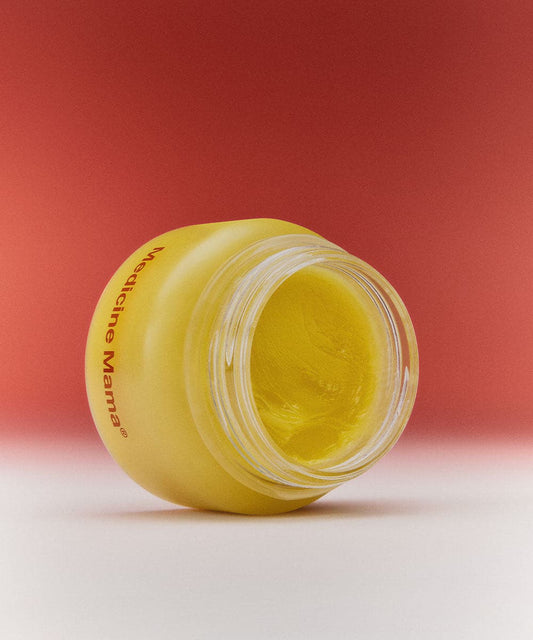
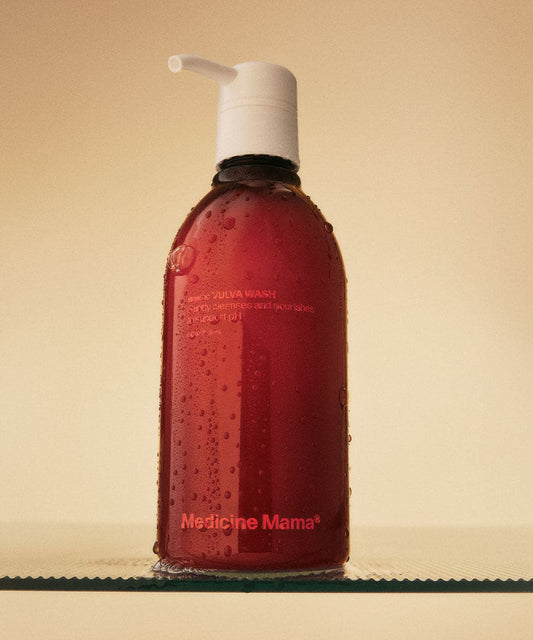
Our VMAGIC® Vulva Wash is pH-balanced and fragrance-free, made to cleanse without stripping away the moisture and protection your skin needs. For hydration and comfort, our VMAGIC® Vulva Balm supports the delicate vulvar skin with organic ingredients, keeping it moisturized and comfortable.
And probiotics, whether from food sources like yogurt and sauerkraut or from a supplement, can support the lactobacilli that keep your vaginal environment balanced.
At the end of the day, your vagina doesn't need to be "fixed." It needs to be left alone to do what it does best. And your vulva? It just needs a little thoughtful care.
Frequently Asked Questions
Is vaginal odor always a sign of infection?
No. A mild, slightly musky or tangy scent is completely normal and can shift with your cycle, after sex, or during hormonal changes. A strong, persistent, or foul odor, especially paired with other symptoms, is when it's worth checking in with a provider.
What habits help maintain a healthy vaginal pH?
Skip the douching and scented products. Wear breathable cotton underwear. Use a gentle, fragrance-free cleanser on the vulva only. And let your vagina handle the rest on its own.
Can diet or sexual activity change vaginal odor?
Yes. Certain foods, hydration levels, and sexual activity can all temporarily shift your scent by affecting pH or introducing different bacteria. These changes are usually short-lived and not a cause for concern.
How do I choose safe products for intimate care?
Look for fragrance-free, pH-balanced products made specifically for the vulva. Avoid anything with dyes, harsh surfactants, essential oils, or synthetic fragrances. And remember: the vulva is the part that benefits from cleansing. The vagina takes care of itself.
Sources:
Vaginal Odor: Types, Causes, Diagnosis & Treatment | Cleveland Clinic
Bacterial Vaginosis: Causes, Symptoms & Treatment | Cleveland Clinic
Vaginal pH Value for Clinical Diagnosis and Treatment of Common Vaginitis | PMC
Vaginal Douching: Evidence for Risks or Benefits to Women's Health | PMC