Reviewed by | Dr. Clare Bertucio MD
Key Takeaways
- Menopause can change vulvar skin, making gentle, targeted vulvar care products helpful for comfort and hydration.
- It’s important to choose products with minimal ingredients, no fragrance, and dermatologist- or gynecologist-informed formulations.
- Vulvar balms, washes, lubricants, and suppositories can support different concerns, from dryness to irritation.
Menopause can bring real changes to vulvar and vaginal comfort, and for many women, those changes can feel frustrating or unexpected. As estrogen levels decline, tissues may become drier, more sensitive, or prone to irritation, which can affect comfort during everyday activities as well as intimacy.
Understanding how to care for vulvar skin during this time can make a meaningful difference. While the vagina is self-cleaning, the vulva is external skin that may benefit from gentle cleansing, hydration, and barrier support, especially when hormonal shifts increase dryness or sensitivity.
Choosing the right vulvar care products is an important part of that support. This guide will walk through some of the best vulvar care products to consider during menopause, along with what to look for and what to avoid.
What To Look for in Vulvar Care Products
Choosing the right vulvar care products starts with understanding which ingredients and features support sensitive skin.
Fragrance-Free and Minimal Ingredients
Fragrance and essential oils can irritate skin and may worsen dryness or sensitivity. Look for products labeled fragrance-free and formulated with minimal, skin-friendly ingredients.
Hydrating and Barrier-Supporting Ingredients
Certain ingredients can help support vulvar skin hydration and barrier function, especially during menopause:
- Plant-based oils and butters (such as jojoba oil, olive oil, or shea butter) to soften and condition skin
- Occlusive agents (like beeswax or plant waxes) to help seal in moisture
- Humectants (such as glycerin or hyaluronic acid) to attract water to the skin
- Ceramides and fatty acids to support the skin barrier
pH-Balanced, Gentle Cleansers
For washes, look for mild surfactants, soothing botanical extracts, and formulas designed to respect the vulvar microbiome. The vagina cleans itself, but gentle cleansing of the external vulva can help remove sweat and bacteria.
Top Vulvar Care Product Categories for Menopausal Women
Vulvar care isn’t one-size-fits-all, and different products can support different concerns. The sections below explain the main types of vulvar care products and when they’re most helpful.
Vulvar Balms and Moisturizers
Vulvar balms are designed to hydrate and protect external vulvar skin. They can help with dryness, irritation, and friction from clothing or daily activities.
Look for balms with nourishing oils and occlusives that support the skin barrier and reduce transepidermal water loss. Common supportive ingredients include extra virgin olive oil, avocado oil, shea butter, and plant waxes.
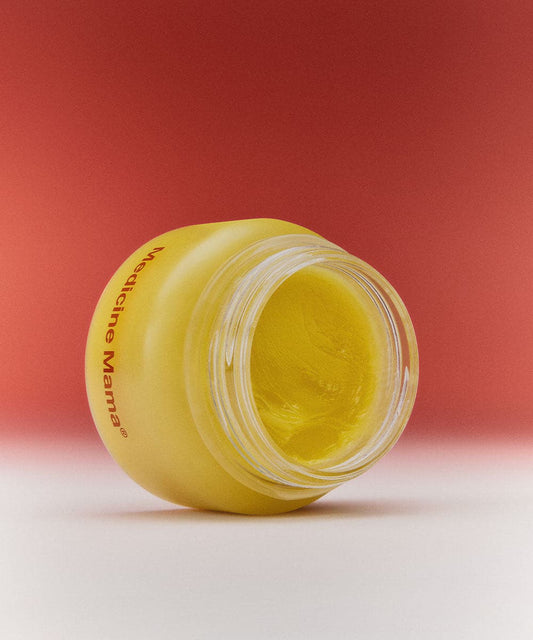
A targeted balm like VMAGIC Vulva Balm can provide long-lasting moisture and help soothe sensitive skin. Some women prefer a portable option like VMAGIC Lips Stick, which uses the same formula as the balm but in an easy, on-the-go applicator.
Gentle Feminine Washes
The vulva can be gently cleansed with a mild wash, especially after sweating or exercise. Avoid douching or internal cleansing, as the vagina cleans itself naturally. When choosing a wash, look for mild surfactants, soothing ingredients like aloe or chamomile, and pH-balanced formulas designed for intimate skin.
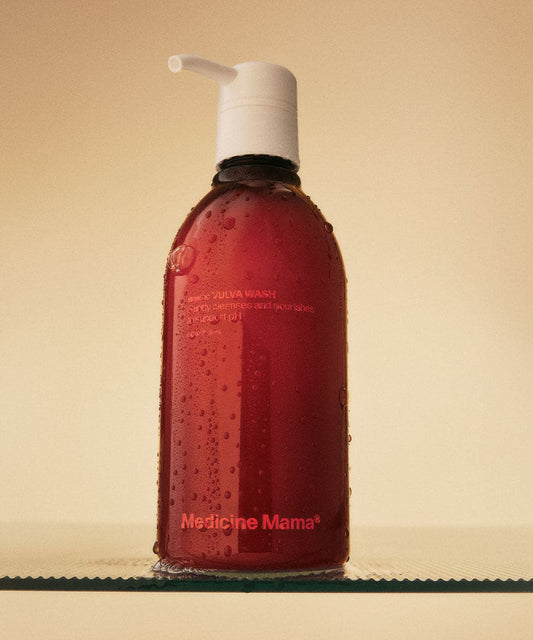
A Feminine Wash formulated for sensitive vulvar skin can help remove sweat and bacteria without disrupting the vulvar microbiome. It’s also important to avoid sulfates, fragrance, and dyes.
Exfoliating Grooming Scrubs
Gentle exfoliation can help remove dead skin cells and support smoother skin, especially after shaving or waxing. However, exfoliation should be done sparingly and with mild products. A Grooming Scrub designed for the vulvar area can help prevent ingrown hairs and improve skin texture.
Lubricants for Comfort During Intimacy
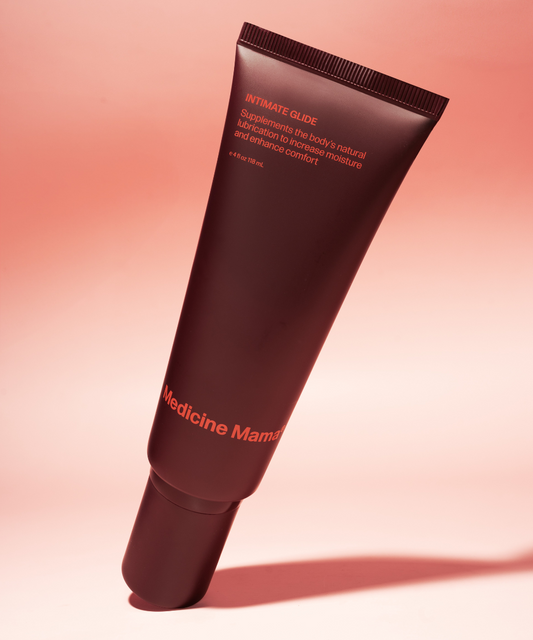
Lubricants can be a helpful option for easing friction and discomfort during intimacy, especially when hormonal changes make dryness more noticeable. Choosing water-based or silicone-based formulas without added fragrance or known irritants can help support comfort for sensitive skin.
Some lubricants include hydrating ingredients like aloe or hyaluronic acid, which may help retain moisture and reduce dryness. It’s generally best to avoid unnecessary additives that could cause irritation.
Vaginal Suppositories for Internal Support
Vaginal suppositories can be a helpful option for supporting hydration and comfort when dryness becomes persistent or uncomfortable. These products are inserted into the vagina and are designed to deliver moisture directly to vaginal tissue, which can be especially beneficial during menopause or other times of hormonal change.
Hormone-free options made with hyaluronic acid are designed to provide deep, long-lasting hydration while helping soothe irritation and support healthy vaginal tissue.
How To Build a Vulvar Care Routine During Menopause
Creating a simple routine can help maintain comfort and minimize irritation, even during tough transition periods like menopause.
- Daily Cleansing and Moisturizing: Use a gentle wash on the vulva in the shower daily or as needed, then apply a vulvar balm or moisturizer to maintain hydration. Avoid overwashing, which can dry out the skin.
- Targeted Care After Hair Removal or Exercise: After shaving, waxing, or intense exercise, consider a gentle scrub and soothing balm to reduce irritation.
- Intimacy Support: Use a lubricant during intimacy to reduce friction. If discomfort continues, talk with a healthcare provider about additional options.
Common Myths About Vulvar and Vaginal Care
Myth: The Vagina Needs To Be Cleaned Internally
The vagina is naturally self-cleaning, so internal cleansing isn’t necessary and can sometimes disrupt the natural balance of healthy bacteria. Focusing on gentle care for the external vulvar area is usually the safest and most supportive approach.
Myth: Natural Ingredients Are Always Safe
Even products labeled as “natural” can cause irritation for sensitive skin. Taking a moment to review ingredient lists and choosing formulas made specifically for intimate areas can help reduce the risk of discomfort.
Myth: Odor Means Poor Hygiene
The vagina does not have an unpleasant smell by default. It’s normal for the external vulvar area to develop a mild scent due to sweat and naturally occurring bacteria, especially throughout the day. If an odor becomes strong, persistent, or noticeably different, a healthcare provider can help determine whether further evaluation is needed.
Myth: Essential Oil Are Safe for the Vulva
Essential oils are sometimes added to feminine products like pads, tampons, and wipes for fragrance, but they can be irritating for some people. The skin in the vaginal area is delicate and highly absorbent, which makes it more sensitive to added ingredients. Certain oils, such as lavender and tea tree, have been studied for their potential hormone-disrupting effects and may also trigger irritation or allergic reactions in some individuals.
For those with sensitive skin, these additives can lead to discomfort, including redness, burning, or swelling. Choosing products without added fragrances or essential oils can help reduce the risk of irritation and support overall comfort.
Conclusion
Vulvar and vaginal comfort can change over time, especially during menopause, and those changes are both common and manageable. With gentle care, thoughtful product choices, and an understanding of what your body needs, it’s possible to support comfort without disrupting your natural balance.
Taking the time to choose products designed for intimate skin and knowing when to seek guidance can help you feel more confident and comfortable day to day.
FAQ
What is the best vulvar care product for menopausal dryness?
A vulva balm or moisturizer designed for intimate skin can help hydrate external vulvar skin. For internal dryness, vaginal suppositories or lubricants may be helpful.
Can I use regular body wash on my vulva?
Regular body washes may contain fragrance or harsh surfactants that irritate vulvar skin. A gentle, pH-balanced feminine wash is a better option.
How often should I apply vulvar balm?
Many people apply vulvar balm once or twice daily or as needed for comfort. Adjust based on your skin’s needs and product instructions.
Sources:
Vulvar Care: Reviewing Concepts in Daily Hygiene | Healthcare
Maintaining Vulvar, Vaginal and Perineal Health: Clinical Considerations | Women’s Health
Feminine Intimate Hygiene: A Review of Healthy and Unhealthy Habits in Women | Medicina