Reviewed by | Dr. Clare Bertucio MD
Perimenopause can feel unpredictable. One month, your cycle shifts. The next month, you’re waking up drenched in sweat. Then comes brain fog, irritability, or vaginal dryness that wasn’t there before.
If you’re in your 40s (or even late 30s), you may be wondering whether supplements can help ease the transition. While no supplement can “stop” perimenopause, certain nutrients and plant-based compounds may support your body as hormone levels fluctuate.
Let’s take a closer look at the most commonly recommended perimenopause supplements, what they may help with, and what to consider before adding them to your routine.
Why Supplements May Help During Perimenopause
During perimenopause, estrogen and progesterone levels don’t typically decline steadily. They fluctuate, sometimes significantly.
These hormonal shifts can affect:
- Sleep quality
- Mood regulation
- Body temperature
- Bone density
- Vaginal tissue health
- Metabolism
While lifestyle habits like nutrition, strength training, stress management, and gentle, fragrance-free vulvar care remain foundational, some women find that targeted supplements offer additional support.
It’s important to approach supplements thoughtfully. “Natural” does not automatically mean safe or effective. Always speak with a healthcare provider before starting something new, especially if you take medications or have underlying health conditions.
1. Magnesium
Magnesium is one of the most commonly recommended perimenopause supplements, and for good reason.
Magnesium plays a role in:
- Sleep regulation
- Muscle relaxation
- Nervous system function
- Mood support
Some women find magnesium helpful for improving sleep quality and reducing nighttime restlessness. It may also support stress management during times of hormonal fluctuation. Magnesium glycinate and magnesium citrate are common forms, but dosage and type should be discussed with a provider to avoid digestive upset.
2. Vitamin D
As estrogen levels shift during perimenopause, bone health becomes increasingly important. Estrogen helps maintain bone density, and fluctuating levels can gradually increase the risk of bone loss. Vitamin D supports calcium absorption and plays a key role in maintaining bone strength.
In addition to bone health, vitamin D supports immune function and may influence mood and energy levels. While it’s not a treatment for fatigue or mood disorders, maintaining adequate levels may support overall well-being during hormonal transitions. As with any supplement, dosing should be guided by a healthcare provider.
Low vitamin D levels are common, particularly in women over 40. A simple blood test can determine whether supplementation is appropriate.
3. Omega-3 Fatty Acids
Omega-3 fatty acids, often derived from fish oil or algae, support:
- Heart health
- Brain function
- Inflammatory balance
Some studies suggest omega-3s may help with mood changes and cognitive symptoms like brain fog. While they are not a direct treatment for hot flashes, their anti-inflammatory properties may support overall well-being. Choose high-quality, third-party-tested products to reduce the risk of contaminants.
4. B Vitamins
B vitamins (especially B6, B12, and folate) play a role in energy production and nervous system health. As fatigue and mood changes become more common during perimenopause, ensuring adequate B vitamin intake can be helpful.
B6 in particular has been studied for its potential impact on mood regulation. If you follow a vegetarian or vegan diet, B12 levels are especially important to monitor.
5. Black Cohosh
Black cohosh is a plant-based supplement often marketed for hot flashes and night sweats. Research is mixed, but some women report improvement in vasomotor symptoms (such as hot flashes). It does not function as estrogen, but it may interact with estrogen pathways in the body.
Because black cohosh has been associated with rare cases of liver concerns, it should only be used under medical supervision.
6. Ashwagandha
Ashwagandha is an adaptogenic herb that may support stress resilience and sleep quality. During perimenopause, cortisol (your primary stress hormone) can interact with fluctuating estrogen levels, potentially worsening sleep disruption or irritability.
Some women find that adaptogens help support overall balance. However, as with any herbal supplement, quality and dosing matter.
7. Collagen
Collagen production naturally declines with age, and estrogen plays a role in maintaining skin elasticity, connective tissue integrity, and bone strength.
Some women choose collagen supplements to support:
- Skin appearance
- Joint comfort
- Hair and nail strength
Emerging research suggests collagen peptides may also support bone health during menopause, when declining estrogen levels can contribute to bone loss. While collagen does not affect hormone levels directly, it may help support connective tissue and bone structure during this stage of life.
8. Probiotics
Hormonal shifts can influence both gut and vaginal microbiomes.
Probiotics designed for women’s health may support:
- Digestive balance
- Vaginal microbiome stability
It’s important to remember: the vagina is a self-cleaning organ and maintains its own microbial balance. If you notice strong, unusual vaginal odor, burning, or discharge changes, that is a reason to see a healthcare provider rather than self-treat with supplements.
The vulva, however, is external skin and can be sensitive during hormonal transitions. Supporting overall microbiome health may indirectly support comfort.
What About Supplements for Vaginal Dryness?
Declining and fluctuating estrogen levels can cause the tissues of the vagina and vulva to become thinner and drier during perimenopause. While certain supplements are marketed for vaginal dryness, evidence varies.
Hydration, hormone therapy (when appropriate), and topical support are often more directly effective.
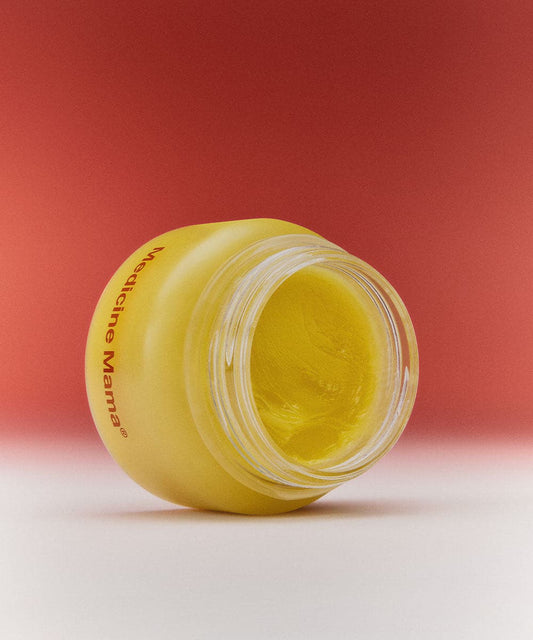
Products designed specifically for sensitive vulvar skin, like VMAGIC Vulva Balm, are sometimes used to support comfort during dryness. Because the vulva is external skin (not self-cleaning like the vagina), gentle, fragrance-free care is important.
Avoid fragranced washes, sprays, or douches. Fragrance can irritate vulvar skin and may disrupt the vaginal environment, sometimes making symptoms worse.
Supplements That Require Extra Caution
Not all perimenopause supplements are well studied. Be cautious with:
- “Hormone-balancing” blends that lack transparency
- High-dose soy isoflavones without provider guidance
- Products that promise to “reverse menopause”
Dietary supplements are not regulated as strictly as prescription medications, which means quality, purity, and dosing can vary significantly between brands. Some products may contain undisclosed ingredients or hormone-like compounds that can interact with medications or underlying health conditions.
Before starting any new supplement, it’s wise to review the ingredient list carefully and discuss it with a healthcare provider, especially if you have a history of hormone-sensitive conditions.
Perimenopause is a natural transition. Supplements should support your body, not override it.
How To Choose Quality Perimenopause Supplements
If you decide to explore supplements, keep these guidelines in mind:
- Choose third-party-tested brands
- Avoid unnecessary fillers and fragrance
- Start one supplement at a time
- Monitor how you feel over several weeks
- Consult a provider before combining products
More is not always better. A targeted, thoughtful approach is safer than stacking multiple products at once.
The Bottom Line
Perimenopause supplements can play a supportive role in managing symptoms like sleep disruption, mood changes, and bone health. Nutrients such as magnesium, vitamin D, omega-3s, and B vitamins may offer foundational support, while herbal options like black cohosh or ashwagandha may help some women navigate specific concerns.
However, supplements are not a cure for perimenopause, and they are not risk-free. The most effective strategy combines medical guidance, lifestyle support, and thoughtful vulva care products.
As your body moves through this hormonal transition, focus on supporting, not fighting, natural changes. With the right information and individualized care, perimenopause can be managed with clarity and confidence.
Sources:
Magnesium for Sleep | Sleep Foundation
Calcium and Vitamin D: Skeletal and Extraskeletal Health | PMC
Omega-3 fatty acids for mood disorders | Harvard Health
B Vitamins: Functions and Uses in Medicine | PMC
Botanical and Dietary Supplements for Menopausal Symptoms | What Works, What Doesn’t | PMC
Herbal Remedies and Complementary Medicines for Menopause Symptoms | NHS
Collagen Peptides May Be Beneficial for Menopausal Bone Loss | UCLA Health