Reviewed by | Dr. Clare Bertucio MD
If you’re in your 40s (or even late 30s) and are noticing changes in your body that feel unfamiliar, you’re not imagining things. For many women, these changes are the first signs of perimenopause: the transitional phase leading up to menopause.
Perimenopause doesn’t begin on a set birthday, and it doesn’t look the same for everyone. Some women experience subtle changes for years before realizing what’s happening, while others feel like their body flipped a switch overnight.
Understanding the signs of perimenopause can help you feel informed, empowered, and better prepared to support your body through this stage.
Let’s break down when perimenopause typically starts, what symptoms are most common, and how hormonal shifts can affect everything from your menstrual cycle to your vaginal health.
What Is Perimenopause?
Perimenopause is the time leading up to menopause, when your ovaries gradually begin producing less estrogen and progesterone. Menopause itself is officially diagnosed after 12 consecutive months without a menstrual period, but perimenopause can last several years before that point.
During perimenopause, hormone levels often don’t decline in a smooth, predictable way. Instead, they fluctuate (sometimes dramatically), which is why symptoms can feel inconsistent or confusing.
When Does Perimenopause Usually Begin?
Most women begin perimenopause between the ages of 40 and 45, but it can start earlier or later depending on genetics, overall health, medical history, and lifestyle factors.
Some women notice early signs in their late 30s, while others don’t experience noticeable changes until their mid-40s. Perimenopause can last anywhere from two to 10 years, with the average being about four to seven years.
If you’re experiencing changes and wondering whether it’s “too early,” know this: perimenopause doesn’t follow a strict timeline, and symptoms can begin earlier than many women expect.
Early Signs of Perimenopause
The signs of perimenopause can be physical, emotional, and hormonal. Some symptoms may come and go, while others gradually become more noticeable over time.
Here are the most common early signs.
1. Changes in Your Menstrual Cycle
One of the earliest and most recognizable signs of perimenopause is a change in your period. This might include:
- Shorter or longer cycles
- Heavier or lighter bleeding
- Skipped periods
- Spotting between periods
Because ovulation becomes less predictable during perimenopause, menstrual changes are often the first clue that hormones are shifting.
2. Hot Flashes and Night Sweats
Hot flashes are commonly associated with menopause, but they can begin during perimenopause. You may experience sudden warmth in your chest, neck, or face, often accompanied by sweating or flushing.
Night sweats (hot flashes that occur during sleep) can disrupt rest and contribute to fatigue, another common perimenopausal symptom.
3. Mood Changes and Irritability
Fluctuating estrogen levels can impact neurotransmitters in the brain that regulate mood.
Many women notice:
- Increased irritability
- Anxiety
- Low mood or sadness
- Feeling emotionally “off” without a clear reason
These changes are hormonal, and they’re a very real part of perimenopause for many women.
4. Sleep Disruptions
Difficulty falling asleep or staying asleep is another common sign of perimenopause. Night sweats, anxiety, and hormonal shifts can all interfere with sleep quality. Hormonal fluctuations can also affect the body’s natural sleep-wake cycle, making restful sleep harder to achieve.
Even women who previously slept well may find themselves waking up frequently, waking earlier than usual, or feeling unrested despite a full night in bed.
5. Vaginal Dryness and Vulvar Discomfort
As estrogen levels begin to decline, tissues in the vagina and vulva can become thinner, drier, and less elastic.
This may lead to:
- Vaginal dryness
- Vulvar irritation or sensitivity
- Discomfort during intimacy
- A feeling of dryness or tightness
It’s important to be anatomically accurate here: the vagina is a self-cleaning organ, but the vulva is external skin, and that skin can become dry and irritated as hormones change. Products with fragrance or harsh ingredients can worsen irritation and may even contribute to odor by disrupting the skin barrier.
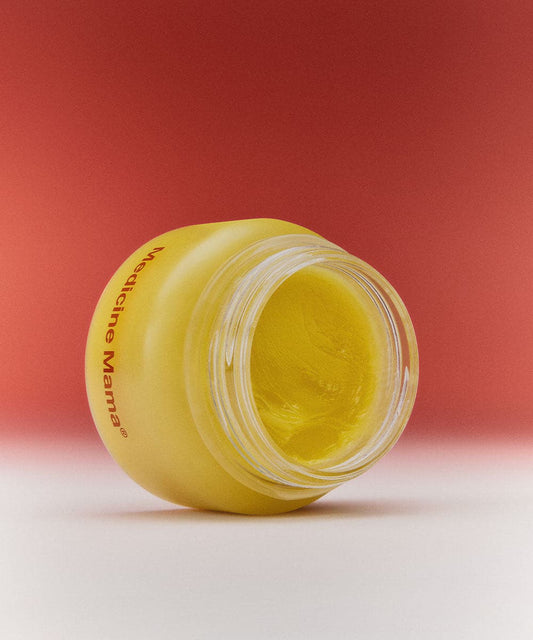
As a brand focused on vulvar skin health, we also know that gentle, well-formulated topical products can help soothe dryness and discomfort. Our VMAGIC Vulva Balm is designed to support the skin barrier and provide comfort without fragrances or harsh ingredients, making it especially helpful during hormonal changes.
6. Changes in Libido
Hormonal fluctuations, sleep disruption, stress, and physical discomfort can all affect libido during perimenopause. Some women notice a decrease in sexual desire, while others experience changes in arousal or comfort during sex.
These shifts are common and multifactorial. Physical, emotional, and hormonal factors all play a role, and changes in libido can fluctuate over time rather than follow a fixed pattern.
7. Brain Fog and Difficulty Concentrating
Many women describe perimenopause brain fog as feeling forgetful, scattered, or less sharp than usual.
This can include:
- Trouble focusing
- Forgetting words or names
- Feeling mentally fatigued
Estrogen plays a role in cognitive function, so fluctuations can temporarily affect memory and concentration.
8. Weight Changes and Body Composition Shifts
Even without changes in diet or exercise, some women notice weight gain, especially around the abdomen, during perimenopause. Hormonal changes can influence metabolism, insulin sensitivity, and how the body stores fat.
As estrogen levels fluctuate, the body’s energy balance, fat distribution, and muscle mass can change, which may affect how efficiently calories are burned. For some women, these hormonal shifts can also make weight loss more difficult than it was earlier in life.
What About Vaginal Odor?
A healthy vagina does not “smell bad.” Vaginal odor that is strong, fishy, or unpleasant can indicate an infection or imbalance and should be evaluated by a healthcare provider. That said, the vulva has sweat glands, and like any other skin, it can have a natural scent.
This is especially common with exercise, heat, or hormonal changes. Gentle cleansing of the vulva (not the vagina) can be helpful. Fragranced washes, douches, and sprays can irritate vulvar skin and disrupt the vaginal environment, so it’s important to find a gentle feminine wash.
Supporting Your Body During Perimenopause
Perimenopause is a transition, not a failure of your body. Supporting yourself during this time can include:
- Talking with a healthcare provider about symptoms
- Prioritizing sleep and stress management
- Using gentle, fragrance-free products
- Supporting vaginal and vulvar comfort with hormone-aware care
When To See a Doctor
If symptoms are interfering with your quality of life, it’s worth having a conversation with a healthcare provider.
You should also seek medical guidance if you experience:
- Strong or unusual vaginal odor
- Burning, itching, or pain that doesn’t improve
- Very heavy or prolonged bleeding
- Symptoms that feel sudden or severe
Perimenopause is normal, but you don’t have to suffer through it without support.
The Bottom Line
Perimenopause can begin earlier than many women expect, and the signs of perimenopause can be subtle, surprising, or disruptive. From menstrual changes and mood shifts to vaginal dryness and sleep issues, these symptoms are rooted in real hormonal changes, not imagination or aging “gracefully.”
Understanding what’s happening in your body is the first step toward feeling more like yourself. With the right information, supportive care, and open conversations, perimenopause can be navigated with confidence and compassion.
Sources:
The Menstrual Cycle | How It Changes as You Age | Mount Sinai Today
Night Sweats | Kaiser Permanente