Reviewed by | Dr. Clare Bertucio MD
Key Takeaways
-
Vaginal dryness during menopause is caused by declining estrogen levels and affects comfort, intimacy, and daily quality of life for a significant number of women.
-
Natural remedies, including hydration, nutrition, gentle intimate care, and hormone-free moisturizers, can meaningfully reduce symptoms, especially for women seeking alternatives to hormone therapy.
-
Knowing when to seek professional help ensures you're getting the right care at the right time.
Nobody really prepares you for the way menopause changes the small, everyday things. The way sitting becomes uncomfortable. The way intimacy starts to feel different. The way you find yourself Googling "Why does everything feel so dry?" at midnight. If you're in this chapter, you're not alone, and you're not imagining it.
At Medicine Mama , we talk about these things openly because too many women spend too long thinking something is wrong with them when really, their body is just doing what bodies do during this transition.
Menopause is the natural end of menstrual cycles, typically occurring around age 50, and the hormonal shifts that come with it can affect everything from your mood to the most intimate parts of your body.
The good news? There are real, effective ways to find relief, and many of them don't require a prescription.
Understanding Vaginal Dryness During Menopause
Vaginal dryness is one of the most common and least discussed symptoms of menopause. It's a decrease in natural lubrication inside the vagina and across the vulva that can cause tightness, burning, itching, and discomfort that shows up during daily life, not just during intimacy.
The primary cause is declining estrogen levels . Estrogen plays a central role in keeping vaginal and vulvar tissue healthy, elastic, and naturally lubricated.
As levels drop, the tissue thins, loses elasticity, and becomes more susceptible to irritation and microtears. It's estimated that up to half of all postmenopausal women experience these symptoms, and yet only about 25% seek help.
This isn't something you just have to "deal with." And it's definitely not something to feel embarrassed about. It's a physiological change that deserves real solutions.
Medicine Mama's Approach to Vaginal Dryness Relief
We created Medicine Mama because we believe the most delicate skin on your body deserves the most thoughtful care. Our formulations are hormone-free, fragrance-free, and gynecologist-approved, specifically designed for the unique needs of menopausal vulvar and vaginal dryness.
What sets us apart from typical off-the-shelf intimate moisturizers:
-
Ingredient purity: Every Medicine Mama product is made from certified organic ingredients. No parabens, no artificial fragrances, no harsh chemicals that can irritate already-sensitive tissue.
-
pH support and vulvar-specific design: Our products are formulated for the delicate vulvar biome, not adapted from general body care.
-
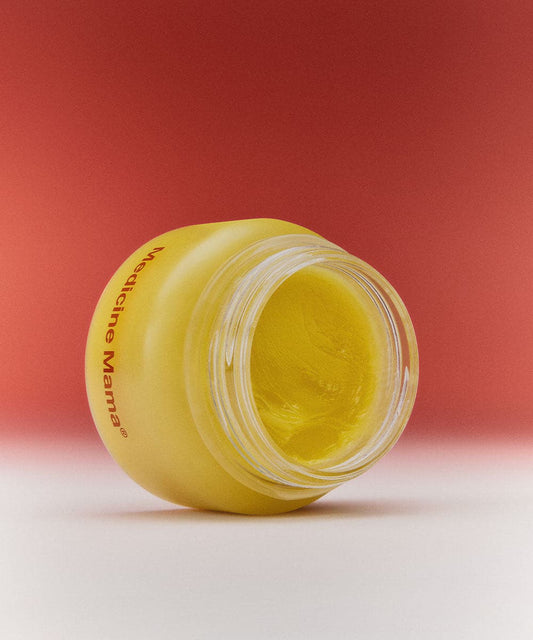
Hormone-free: For women who can't or choose not to use estrogen-based options, our VMAGIC® Vulva Balm provides soothing, immediate relief without hormones. In a clinical study, 79% of users reported immediate relief and 92% saw reduced dryness within two weeks.
-
Trusted by professionals: VMAGIC is the #1 doctor-recommended vulvar moisturizer, trusted by OBGYNs and pelvic floor therapists as part of a daily care routine.
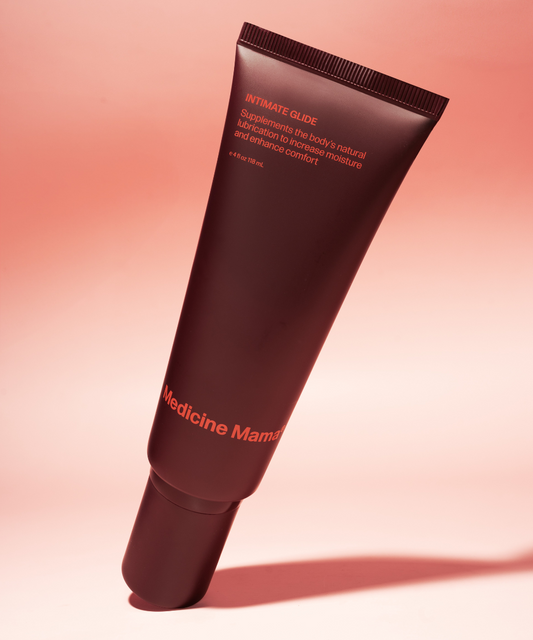
For women experiencing painful intimacy during menopause , pairing the Vulva Balm with our VMAGIC® Intimate Lubricant provides both daily moisture support and in-the-moment comfort.
Lifestyle Practices To Alleviate Menopausal Vaginal Dryness
Beyond topical care, your daily habits play a real role in how your body manages menopausal dryness. Small shifts can make a noticeable difference over time.
-
Stay hydrated. It sounds basic, but adequate water intake supports tissue moisture throughout the body, including vulvar and vaginal tissue.
-
Prioritize plant-based fats and phytoestrogens. Foods like flaxseed, soy, avocado, and olive oil contain nutrients that may support hormonal balance and tissue health during menopause.
-
Move your body regularly. Exercise improves blood flow to pelvic tissues, supports mood, and helps with sleep, all of which contribute to overall comfort during this transition.
-
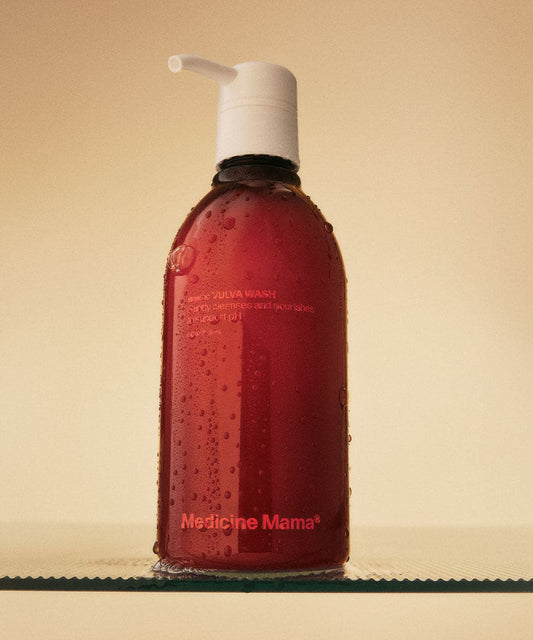
Protect your vulvar skin. Avoid harsh soaps, scented products, and douching. Use gentle, pH-appropriate cleansers designed for intimate skin (like our VMAGIC® Feminine Wash ).
-
Stay sexually active as tolerated. Regular sexual activity (solo or partnered) helps maintain blood flow and natural lubrication in vaginal tissues.
-
Manage stress and prioritize sleep. Chronic stress and poor sleep worsen hormonal imbalances and can amplify dryness symptoms. Even small improvements in sleep hygiene can have downstream effects on how your body handles this transition.
When To Seek Medical Advice
Natural remedies can do a lot, but there are times when professional support is the right next step.
Reach out to your healthcare provider if you experience:
-
Persistent pain that doesn't improve with moisturizers or lubricants
-
Unusual bleeding or discharge
-
Signs of infection (strong odor, unusual color, fever)
-
No improvement after 8 to 12 weeks of consistent self-care
Women experiencing menopause before age 45, or those with sudden or complex symptom changes, should consult a clinician to discuss whether hormone therapy or further evaluation is appropriate. And always run any new supplement or natural remedy past your provider to avoid interactions or other concerns.
The Bottom Line
Menopause changes a lot, but it doesn't have to take away your comfort, your confidence, or your connection to your own body. From the foods you eat to the products you trust on your most sensitive skin, natural remedies can make this transition feel a lot more manageable.
At Medicine Mama , we're here for every part of it. Because vulva care is self-care, and you deserve to feel good in your body at every stage.
FAQs
What natural remedies reduce hot flashes?
Soy isoflavones and black cohosh are among the most researched options, with some women reporting reductions in both frequency and intensity. Always check with your healthcare provider before starting any supplement.
Which dietary changes help most for menopause symptoms?
Diets rich in omega-3 fatty acids, phytoestrogens (flaxseed, soy), and plant-based fats can support hormonal balance and may help reduce vasomotor symptoms like hot flashes and night sweats.
How do I know which natural remedy is safest?
Talk with your healthcare provider before starting any new supplement or remedy. What works for one person may not be appropriate for another, especially if you're on medications or managing other health conditions.
Sources:
Current Treatment Options for Postmenopausal Vaginal Atrophy | PMC
Treating Vulvovaginal Atrophy: How Important Is Vaginal Lubricant and Moisturizer Composition? | PMC
Natural Strategies to Optimize Estrogen Levels in Aging Women | PMC
Treating Dyspareunia Caused by Vaginal Atrophy: A Review of Treatment Options | PMC