Reviewed by | Dr. Clare Bertucio MD
Key Takeaways
-
Baking soda baths may provide short-term external relief from vulvar itching, but they don't address the underlying cause and come with real risks if used incorrectly.
-
Baking soda should never be applied internally or used as a douche, as it can disrupt vaginal pH, harm the microbiome, and increase susceptibility to infections.
-
Purpose-built vulvar and vaginal care products, like hyaluronic acid suppositories, offer safer, more effective options for lasting relief.
When something is itchy, uncomfortable, and you just want it to stop, the temptation to grab whatever's in your kitchen cabinet is very real. Baking soda has been floating around as a home remedy for vaginal itching for years, and honestly, we get why. It's cheap, it's accessible, and your grandma probably swore by it.
But at Medicine Mama , we think you deserve more than a pantry fix for your most sensitive skin. So, let's talk about what baking soda can actually do, where it falls short, and what works better.
Understanding Vaginal Itching and Its Causes
Vaginal and vulvar itching is incredibly common, and the causes range from mildly annoying to medically significant. Before reaching for any home remedy, it helps to understand what might be driving it.
Common causes include:
-
Yeast infections (the classic culprit)
-
Bacterial vaginosis (an imbalance in vaginal bacteria)
-
Allergic reactions to soaps, detergents, or hygiene products
-
Hormonal changes during menopause, postpartum, or while breastfeeding
-
Skin conditions like eczema or contact dermatitis
-
Irritation from tight clothing, synthetic fabrics, or friction
One important thing to remember: The vagina is self-cleaning . Douching, using harsh soaps, or introducing foreign substances internally can actually make things worse by disrupting the delicate balance of bacteria and pH that keeps everything healthy.
What Is Baking Soda and How Is It Used?
Baking soda (sodium bicarbonate) is an alkaline compound with a pH of about 9. It's been used for everything from baking to cleaning to soothing skin irritation. For vaginal itching, the most common recommendation is a baking soda bath: Dissolving 4 to 5 tablespoons in a lukewarm bath and soaking for about 10 minutes to calm external itching and irritation.
This is strictly an external soak. It's not meant to be used internally, as a douche, or applied directly to vaginal tissue. And it's not a substitute for medical care when an infection is present.
Does Baking Soda Actually Help?
Here's where things get nuanced. Baking soda baths can offer temporary relief from external vulvar itching and irritation.
The alkaline properties may help neutralize surface-level acidity that's contributing to discomfort, and some vulvar skin care guidelines from university health systems do include baking soda soaks as a comfort measure alongside other hygiene recommendations.
But the evidence is limited and the relief is temporary. Baking soda does not address the underlying cause of itching, whether that's a yeast infection, bacterial vaginosis, hormonal changes, or a skin condition. It can make you feel better in the moment, but it's a comfort measure, not a solution.
Risks and Safety Concerns
This is the part that doesn't get enough attention. While a properly diluted baking soda bath is generally safe for external use, there are real risks when it's used incorrectly:
-
Never use baking soda internally. Douching with baking soda can raise vaginal pH, disrupt the protective microbiome, and create an environment where harmful bacteria thrive .
-
Over-drying and irritation. Because baking soda is alkaline, repeated use can strip moisture from already-sensitive vulvar skin and make dryness worse.
-
Not for broken skin. If you have microtears, post-surgical sensitivity, or active irritation, baking soda can sting and delay healing.
-
Overuse risks. In rare cases, excessive baking soda use (especially internally) can lead to metabolic alkalosis, a serious systemic imbalance.
Stop using baking soda and see a provider if itching persists beyond a few days, you notice unusual discharge or odor, you experience pain or bleeding, or symptoms worsen after use.
When To See a Doctor Instead
Home remedies have their place, but some symptoms need professional attention. Contact your healthcare provider if you experience:
-
Persistent itching that doesn't respond to gentle self-care
-
Unusual discharge (thick, colored, or strong-smelling)
-
Pain, burning, or bleeding
-
Fever or pelvic discomfort
Many causes of vaginal itching, including yeast infections, bacterial vaginosis, and STIs, require medical care like antifungals or antibiotics that no home remedy can replace. And if you're going through menopause with new or worsening symptoms, a gynecologist can help you explore options tailored to your situation.
Can Suppositories Help With Vaginal Itching?
If you're looking for something more effective and purposefully designed than a baking soda bath, hyaluronic acid vaginal suppositories are worth knowing about.
Hyaluronic acid is a substance your body naturally produces to retain moisture in skin and connective tissue. When formulated as a vaginal suppository, it delivers targeted hydration directly to internal vaginal tissue, helping restore moisture, reduce dryness-related itching, and support tissue comfort without hormones.
Clinical research on hyaluronic acid for vaginal dryness is encouraging. One study on postmenopausal women found that suppositories containing hyaluronic acid soothed dryness , itching, and burning with no adverse effects.
Medicine Mama's VMAGIC® Vaginal Suppositories are formulated with 5mg of hyaluronic acid per insert, hormone-free, fragrance-free, and gynecologist-recommended. In clinical trials, 84% of women reported improved dryness and 86% reported less itching and burning after one month of consistent use.
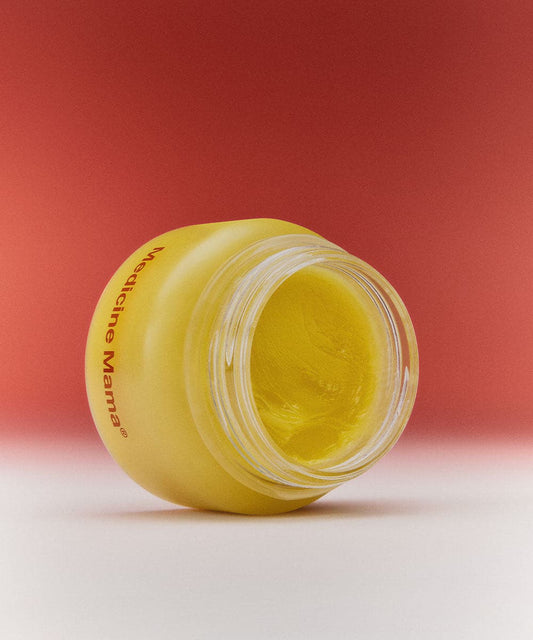
For external vulvar comfort, pairing the suppositories with our VMAGIC® Vulva Balm gives you both internal and external coverage, purpose-built for the skin that deserves the most thoughtful care. It's the kind of approach that actually addresses the problem rather than temporarily masking it.
The Bottom Line
Is baking soda safe for vaginal itching? In a properly diluted bath, used externally and occasionally, it can offer temporary comfort. But it doesn't address what's causing the itch, it comes with risks if misused, and it's nowhere near as effective as products specifically designed for intimate skin.
You deserve better than a kitchen-cabinet workaround. You deserve solutions that were made for you.
FAQs
Can baking soda cure yeast infections or bacterial vaginosis?
No. Baking soda cannot cure yeast infections or bacterial vaginosis. These conditions require medical care, typically antifungal or antibiotic medications prescribed by a healthcare provider.
How should baking soda baths be prepared safely?
Dissolve 4 to 5 tablespoons of baking soda in a lukewarm bath and soak for about 10 minutes. Use it for external relief only. Never use baking soda internally or on broken skin.
Are there safer alternatives to baking soda for vaginal irritation?
Yes. Gentle, fragrance-free vulvar moisturizers and hyaluronic acid vaginal suppositories provide safer, more targeted relief without disrupting your skin's natural balance.
Sources:
Vulvar Skin Care Guidelines | University of Iowa Health Care
Effects of Feminine Hygiene Products on the Vaginal Mucosal Biome | PMC
Vulvar Care: Reviewing Concepts in Daily Hygiene | PMC
Current Treatment Options for Postmenopausal Vaginal Atrophy | PMC