Reviewed by | Dr. Clare Bertucio MD
Key Takeaways:
- Hormonal changes during perimenopause can lead to vaginal and vulvar itching due to dryness, tissue sensitivity, and pH shifts.
- Gentle, hydrating care and supportive ingredients may help soothe irritation and restore comfort.
- Consistent daily habits and preventative strategies can reduce flare-ups and support long-term vulvar health.
Perimenopause brings many physical changes, some expected and others surprising. Vaginal or vulvar itching is one symptom that can feel especially frustrating or concerning. If you’re experiencing itching, irritation, or discomfort, you’re not alone. These sensations are common during hormonal transitions, even though they’re not often discussed openly.
The reassuring news is that there are ways to manage symptoms and support your body through this phase. Let’s walk through the causes, treatment options, and prevention strategies that can help you feel more comfortable in your body.
Why Does Perimenopause Cause Vaginal Itching?
Hormones, particularly estrogen, play an essential role in maintaining vulvar and vaginal tissue health. Estrogen supports moisture, elasticity, and circulation in the tissue. As levels fluctuate and decline during perimenopause, the skin and mucosal tissue may become thinner, drier, and more sensitive.
These changes can lead to:
- Dryness or tightness
- Itching or irritation
- Burning sensations
- Increased sensitivity to friction
- Discomfort during intimacy or daily activities
The vulva contains delicate tissue with nerve endings that can react quickly to irritation. Even small shifts in moisture or pH may trigger itching.
Hormonal changes can also influence the vaginal microbiome, potentially contributing to discomfort when balance is disrupted.
Common Causes of Itching During Perimenopause
While hormonal changes are often the main driver, several factors can contribute to or worsen itching symptoms.
Dryness and Tissue Changes
Reduced natural lubrication and thinner tissue make the area more prone to irritation and microtears, which can create itching sensations.
pH Imbalance
The vaginal environment relies on a slightly acidic pH. Hormonal shifts may alter this balance, leading to discomfort.
Irritating Products
Harsh soaps, fragranced products, and certain laundry detergents may irritate sensitive tissue, especially during perimenopause.
Friction and Moisture
Tight clothing, synthetic fabrics, sweat, or prolonged dampness can increase irritation and itching.
Infections or Medical Conditions
Sometimes itching may be related to yeast infections, bacterial imbalances, or skin conditions. Persistent symptoms should be evaluated by a healthcare professional.
Gentle Treatment Options for Relief
When itching occurs, the goal is to calm irritation, restore moisture, and support the skin barrier. Many people find relief with gentle, supportive care rather than harsh treatments.
Hydrating and Moisturizing Products
Moisture support is often one of the most effective approaches. Products designed specifically for vulvar skin may help reduce dryness-related itching and improve comfort.
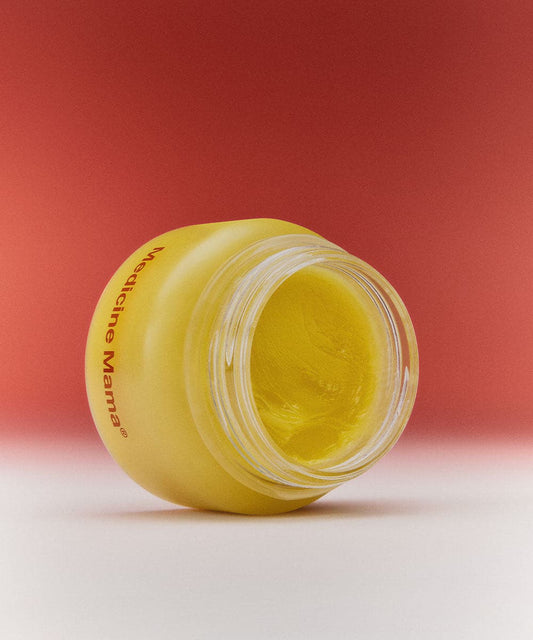
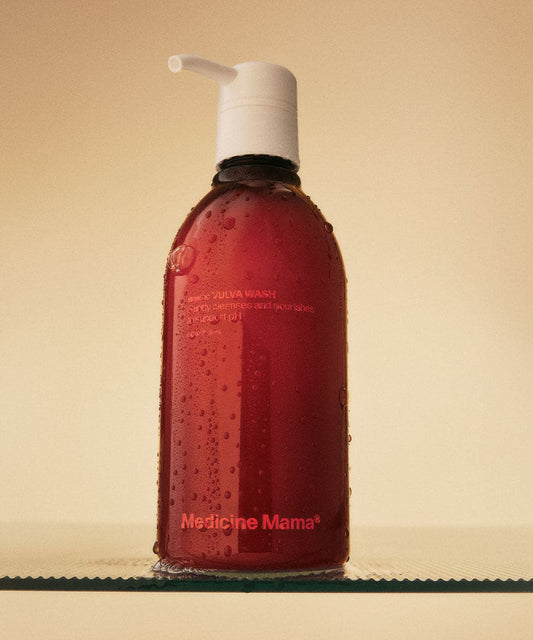
Ingredients like honey, propolis, aloe, and plant oils can help nourish and protect delicate tissue. Formulations created by Medicine Mama focus on supporting the skin barrier while remaining gentle enough for sensitive areas.
Lubricants for Intimacy
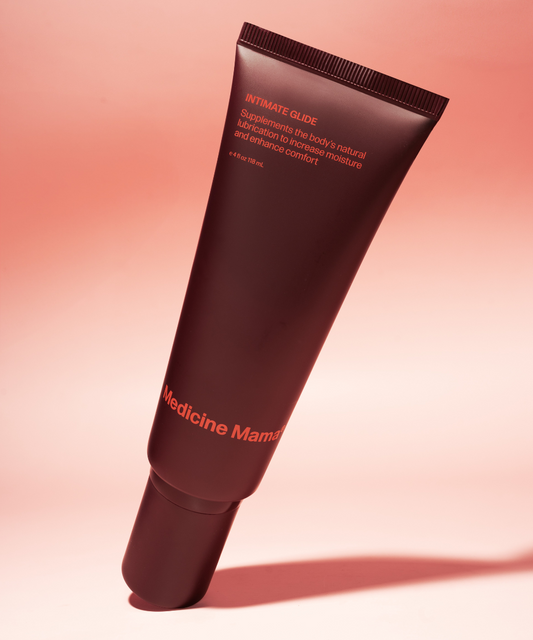
If itching worsens during or after intimacy, vaginal lubricants can reduce friction and protect tissue from irritation.
Cool Compresses
A cool, damp cloth applied externally for a few minutes may temporarily soothe itching and calm inflammation.
Avoiding Irritants
Switching to fragrance-free cleansers, detergents, and menstrual products can sometimes make a significant difference.
Prevention Strategies for Long-Term Comfort
Preventing itching often involves supporting the vulvar environment consistently. Small daily habits can help maintain balance and reduce flare-ups.
Choose Gentle Cleansing Practices
The vulva does not require harsh soaps. Using mild, vulva-friendly cleansers or simply rinsing with water may help preserve the skin barrier.
Wear Breathable Fabrics
Cotton underwear and loose-fitting clothing allow airflow and reduce moisture buildup that can contribute to irritation.
Change Out of Damp Clothing Promptly
Remaining in sweaty or wet clothing for extended periods may increase friction and irritation.
Support Skin Hydration Regularly
Using moisturizers or nourishing topical products consistently may help maintain comfort.
Stay Hydrated
Hydration supports skin health throughout the body, including the intimate tissue.
Consider Hormonal Support Options
Some individuals benefit from discussing hormonal therapies with their healthcare providers if symptoms become significant.
When To Seek Medical Guidance
While itching during perimenopause is often related to hormonal changes, certain symptoms should be evaluated by a professional.
Consider seeking medical care if you experience:
- Severe or persistent itching
- Unusual discharge or odor
- Pain or bleeding
- Sores, lesions, or skin changes
- Symptoms that do not improve with gentle care
Professional evaluation can help rule out infections or other conditions and guide appropriate treatment.
Emotional Impact of Intimate Discomfort
Itching and irritation can affect more than physical comfort. They may influence sleep, mood, intimacy, and self-confidence. It’s important to remember that these experiences are common and valid.
Approaching symptoms with curiosity and self-compassion can make the process of finding relief feel more manageable. Your body is adapting to hormonal changes, and supportive care can help you navigate this transition more comfortably.
Frequently Asked Questions
Is vaginal itching normal during perimenopause?
Yes. Hormonal changes commonly cause dryness and tissue sensitivity, which can lead to itching during perimenopause.
What helps relieve perimenopause itching quickly?
Gentle moisturizers, avoiding irritants, and soothing measures like cool compresses may provide relief. Long-term comfort often comes from consistent hydration and supportive care.
Can dryness alone cause itching?
Yes. Dry tissue is more prone to irritation and friction, which can trigger itching sensations.
Will itching go away after menopause?
Symptoms may improve for some people, but others continue to experience dryness after menopause. Ongoing care and support can help maintain comfort.
Are there lifestyle changes that help prevent itching?
Yes. Wearing breathable fabrics, using gentle products, staying hydrated, and maintaining skin moisture can help reduce symptoms.
Conclusion
Perimenopause vaginal itching can feel uncomfortable and disruptive, but it’s also a common response to hormonal changes. By focusing on gentle care, hydration, and supportive daily habits, many people find meaningful relief and improved comfort.
If you’re navigating this stage of life, choosing nurturing products designed specifically for vulvar health can make a difference. With the right support, it’s possible to feel more comfortable, confident, and connected to your body throughout perimenopause and beyond.
Sources:
Integrative Approaches to Perimenopause | The American Journal of Medicine
Vulvovaginal Discomfort Is Common Regardless of Menopausal Status | Massachusetts General Hospital